Review: Happy Daisy Embroidery Designs for Spring Projects
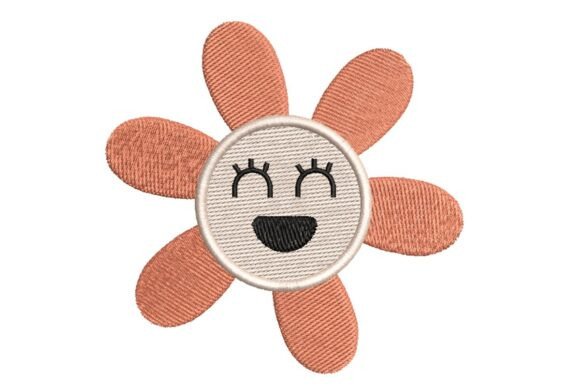
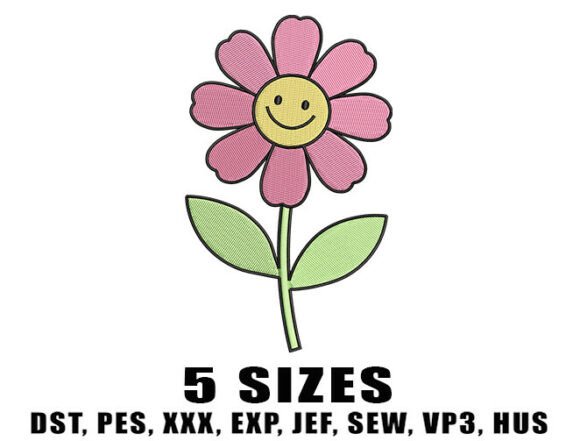
As a designer who spends more time staring at stitch maps than actual fabric, I have developed a keen eye for what makes a machine embroidery design truly viable in a commercial setting. It is not just about how cute the preview image looks on a white background; it is about how those threads behave when they hit cotton, fleece, or denim. Recently, I put the Happy Daisy Embroidery Designs through their paces to see if this charming motif holds up under the needle. The concept is simple yet effective: a pink flower with a big, cheerful smile. It falls squarely into the Single Flowers category, but its personality suggests it can carry a whole product line if used correctly.
First Impressions and Visual Personality
The immediate appeal of this design is its mood. In an industry often saturated with overly complex floral patterns that require hours of trimming and perfect tension settings, the Happy Daisy Embroidery Designs offer a breath of fresh air. The layout is open and friendly. The "big smile" feature transforms a standard botanical element into a character, which instantly broadens its application potential. It feels less like a static decoration and more like a companion piece for the wearer.
Visually, the design relies on clean lines and distinct shapes. For an embroidery project aimed at children or springtime themes, this clarity is crucial. Complex shading often gets lost on textured fabrics, but the bold outlines here ensure the design remains legible even from a distance. The use of pink as the primary color cue suggests warmth and playfulness, making it an ideal candidate for products targeting a younger demographic or those looking to add a touch of whimsy to adult apparel.
Real-World Application: The Tote Bag Test
To evaluate the practical utility of these files, I simulated a common request I receive from clients: a custom tote bag design for a local farmers' market vendor. The goal was to create something eye-catching but quick to produce. I selected the 5.8-inch size (Size 3) from the available options, which range from 3.8 inches to 6.8 inches. This mid-range size struck a balance between visibility and stitch count efficiency.
Stitching the Happy Daisy Embroidery Designs onto a canvas tote revealed important details about the stitch density. The design performed well on the sturdy fabric, with the petals laying flat without excessive puckering. The smile detail, which could easily become a messy blob if the running stitch or satin stitch work was too dense, remained crisp. This is a testament to good digitizing. For an Etsy seller or small shop product creator, this reliability translates directly to profit margins. Less time spent fixing bobbin issues or trimming jumps means more units produced per hour.
Versatility Across Product Lines
Beyond tote bags, the scalability of this digital embroidery file is one of its strongest assets. Having five sizes allows for significant flexibility. Here is how I envision these sizes fitting into different craft business scenarios:
- Sizes 1 and 2 (3.8–4.8 Inch): These are perfect for baby embroidery items like onesies or bibs. The smaller footprint ensures the design does not overwhelm the small garment area. They also work beautifully as chest logos on adult custom apparel, such as pocket tees or cardigans.
- Sizes 3 and 4 (5.8–6.8 Inch): These larger iterations shine on sweatshirt embroidery projects, pillow covers, and aprons. The increased size allows the viewer to appreciate the curvature of the petals and the expression of the face.
- Patches and Caps: While the design is not explicitly labeled as an applique design, its clear boundaries make it suitable for creating embroidered patches. However, caution is needed when applying it to curved surfaces like caps. The width of the 6.8-inch version might be too wide for standard cap hoops, so sticking to the smaller sizes for headwear is advisable.
Technical Considerations for Designers
While the Happy Daisy Embroidery Designs are user-friendly, no design is universally foolproof. As a professional, I must highlight areas where careful preparation is required. First, consider the fabric texture. On highly textured materials like terry cloth or thick fleece, the finer details of the smile might get lost. In such cases, increasing the thread colors contrast or opting for a slightly larger size can help maintain visibility.
Second, pay attention to the stabilizer choice. Even though the design appears light, any floral motif with curved satin edges benefits from proper support. For stretchy fabrics like jersey knits used in t-shirts, a cut-away stabilizer is non-negotiable to prevent distortion after washing. For woven fabrics like linen or cotton, a tear-away may suffice, but always test on scrap fabric first.
Another critical factor is color selection. The default pink is charming, but do not feel bound by it. This design works exceptionally well in monochrome for a subtle, elegant look on high-end personalized gift items. Conversely, using bright, contrasting thread colors can enhance its playful nature for holiday embroidery or summer collections. Always run a black-and-white mockup to check for contrast issues before committing to expensive threads.
Commercial Viability and Brand Consistency
For commercial embroidery professionals, consistency is key. The Happy Daisy Embroidery Designs offer a consistent aesthetic that can help build brand recognition. If you are selling a line of spring-themed goods, this motif can serve as a signature element. Its simplicity allows it to pair well with other design assets, such as typography or geometric patterns, without creating visual clutter.
Moreover, the finished product quality reflects directly on your brand. A clean, well-stitched flower conveys professionalism. Customers are more likely to trust a handmade product that looks polished and intentional. The cheerful nature of the daisy also enhances the "giftability" of the item, making it an easy sell for birthdays, baby showers, and seasonal promotions.
Final Verdict and Practical Advice
In conclusion, the Happy Daisy Embroidery Designs are a solid addition to any designer’s library, particularly for those focusing on kids’ fashion, spring decor, and cheerful accessories. The availability of five sizes provides the flexibility needed for diverse applications, from tiny baby garments to large home decor items.
Before integrating this into your workflow, remember to verify the specific file formats compatible with your machine. While the visual appeal is evident, technical compatibility is paramount. Check the hoop size requirements for each variant to ensure they fit your equipment. Additionally, always review the licensing terms if you plan to sell items made with this Embroidery design commercially. Most designers allow finished product sales, but restrictions on redistributing the digital file itself are standard.
By treating this design with the respect it deserves—through proper stabilizing, thoughtful color choices, and appropriate fabric selection—you can create printed mockup worthy results that delight customers and streamline your production process. It is a reliable, happy little flower that does exactly what it promises: brings a smile to the project.