Orange Bloom Embroidery: A Designer’s Review
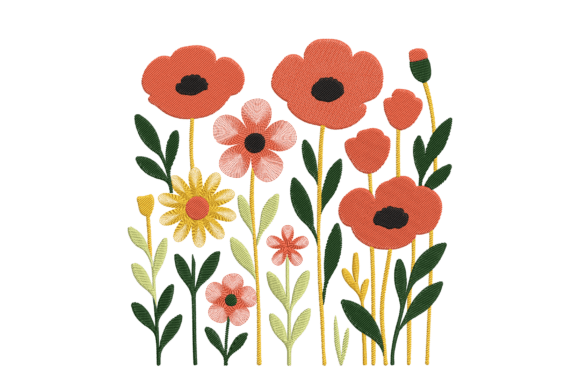
As an embroidery designer who has spent years digitizing motifs for small businesses and boutique brands, I approach every new machine embroidery design with a critical eye. It is not enough for a pattern to look pretty on a screen; it must perform under the needle, withstand wear, and elevate the brand it represents. Recently, I reviewed Orange Bloom Embroidery, a piece from the Single Flowers category, to determine its viability for commercial use. My goal was to assess whether this modern, symmetrical floral motif could serve as a reliable asset for branded merchandise, staff uniforms, and customer gifts.
First Impressions: Modern Symmetry Meets Bold Color
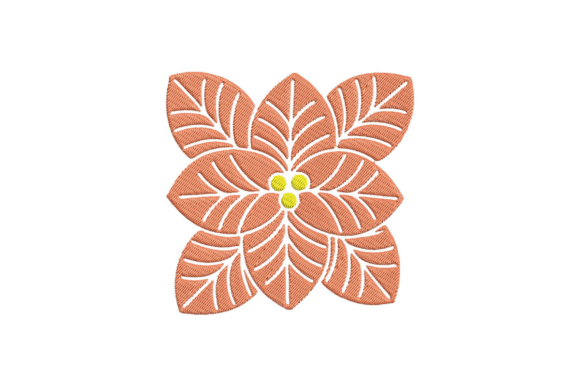
The first thing that strikes you about Orange Bloom Embroidery is its confident structure. The description highlights a modern, symmetrical floral motif with bold petals and stylized leaf details. In the world of Embroidery, symmetry is a double-edged sword. It offers balance and professionalism, but it can feel rigid if not executed with organic flair. This design manages to strike a pleasing balance. The bold petals suggest a playful yet premium aesthetic, making it suitable for brands that want to appear friendly and approachable without sacrificing elegance.
For a small business owner, visual consistency is key. This design does not scream "rustic" or "vintage," which limits its use for certain heritage brands, but it excels for modern cafes, creative studios, florists, and lifestyle boutiques. The stylized leaf details add just enough complexity to prevent the design from looking flat, ensuring it holds visual interest even when scaled down for smaller applications.
Real-World Applications for Small Business Merch
When evaluating a digital embroidery file for commercial purposes, I always ask: where does this live on the product? Orange Bloom Embroidery is versatile, but it shines brightest in specific contexts. Here is how I envision it performing in real-world scenarios:
- Branded Patches: This is perhaps the strongest use case. The symmetrical nature of the bloom makes it ideal for circular or square embroidered patches. These can be ironed or sewn onto denim jackets, canvas totes, or laptop bags as part of a limited-edition drop for your small business merch.
- Apron Embroidery: For bakeries, florists, or coffee shops, staff aprons are walking billboards. Placing this bloom on the chest pocket or the upper corner of an apron adds a touch of handmade charm. The bold petals ensure the design remains visible from a distance, enhancing brand identity without overwhelming the uniform.
- Cap Embroidery: Caps require designs that are compact and high-contrast. While the full motif might be too wide for a standard cap front, a simplified version or a smaller scale placement could work beautifully on the side panel or as a subtle accent above the brim.
- Tote Bag Design: Canvas tote bags are a staple for eco-conscious brands. The orange hue of the bloom pops against natural beige or white canvas, creating an eye-catching custom apparel item that customers will actually want to use.
Navigating Technical Challenges and Fabric Constraints
While the aesthetic appeal of Orange Bloom Embroidery is strong, a professional review must address technical limitations. Not every fabric or garment can handle every design. Here are the areas where caution is required:
Stitch Density and Fabric Texture: Bold petals often imply satin stitches or dense fill patterns. If the stitch density is too high, the design can pucker lightweight fabrics like silk or thin cotton. I recommend testing this design on medium-weight cotton or twill first. For textured fabrics like fleece or terry cloth, the fine details of the stylized leaves might get lost. Always consider the fabric texture before committing to a large production run.
Small Patch Sizes: Symmetry looks best when there is room to breathe. If you attempt to shrink this design too much for a tiny label or a small patch, the individual petals may merge, losing the definition that makes the design modern and clean. Check the recommended minimum size in the file documentation. If you need a micro-logo, this might not be the right candidate unless simplified.
Dark Uniforms and Thread Colors: The design relies on bright, bold colors. On dark navy or black uniforms, you will need to ensure proper underlay stitching to prevent the fabric from showing through the orange threads. Contrast is crucial for recognition. If your brand colors are muted, you may need to adjust the thread colors to maintain visibility, though this could alter the intended vibrant personality of the bloom.
Impact on Brand Identity and Customer Trust
Why does the choice of embroidery matter? Because it signals quality. A well-executed Orange Bloom Embroidery on a product tag or gift item tells the customer that attention to detail is a core value of your business. It moves your brand away from mass-produced genericism and toward a curated, handmade product feel.
For Etsy sellers and craft businesses, using a cohesive set of design assets helps build recognition. If this bloom becomes synonymous with your packaging, your social media presence, and your physical products, it strengthens customer trust. It creates a visual language that says "premium" and "thoughtful." Furthermore, offering items with this embroidery as add-ons or loyalty rewards can significantly boost buyer engagement and perceived value.
Practical Notes for Production and Licensing
Before you load this embroidery file into your machine for a client order or a batch of merchandise, follow these practical steps to ensure a flawless finished product:
- Test in Black and White: Before committing to colored threads, stitch out the design in black thread on white fabric. This reveals the true structure and spacing of the stitches without the distraction of color. It helps you identify any potential registration issues.
- Check Hoop Size Compatibility: Confirm the required hoop size for the design. Ensure your machine can accommodate it, especially if you are planning to hoop multiple items at once for efficiency.
- Use Proper Stabilizer: Given the bold nature of the petals, a cut-away stabilizer is likely necessary for garments that will be washed frequently. For woven fabrics like tote bags, a tear-away might suffice, but always test first.
- Create a Printable Mockup: Use a printable mockup to show clients or stakeholders how the design will look on different items. This manages expectations and allows for approval before any thread is wasted.
- Verify Commercial Licensing: This is critical. Ensure that your purchase of the digital embroidery file includes a commercial license if you intend to sell items featuring Orange Bloom Embroidery. Never assume; always read the terms.
In conclusion, Orange Bloom Embroidery is a strong contender for small businesses looking to add a modern, floral touch to their merchandise. It performs well on patches, aprons, and totes, provided you respect its technical requirements regarding density and scale. By treating this design as a strategic brand asset rather than just decoration, you can leverage its bold symmetry to enhance professionalism and customer connection. Always prioritize testing and proper stabilization to ensure that every stitch reflects the quality your brand promises.