Review: Delicate Green Leaf Branch Embroidery Design
As an embroidery designer who has spent countless weekends behind a craft fair table, I have learned that not every beautiful design translates into a best-selling product. Some designs are too complex for quick production, while others get lost in the visual noise of a busy booth. Today, I am putting the Delicate Green Leaf Branch Embroidery Design under the microscope. This is not just a critique of aesthetics; it is a practical evaluation of how this specific machine embroidery design performs in the real world of handmade business.
First Impressions and Aesthetic Appeal
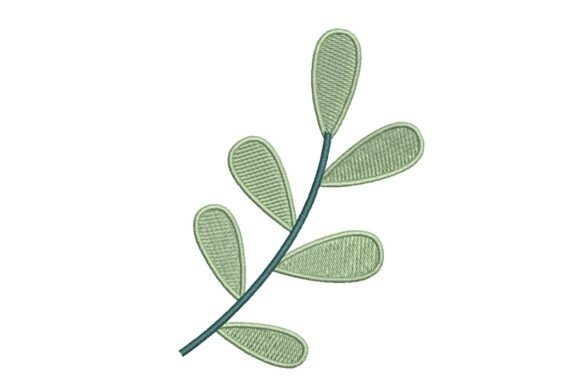
The moment I loaded the file and saw the digitized preview, the vibe was unmistakable. This design leans heavily into the modern botanical trend that has dominated home decor and fashion for the last few years. It feels soft, minimal, and undeniably fresh. The stylized branch with its multiple delicate leaves offers a sense of movement without being chaotic. Because the leaves are rendered in a textured light green or mint green with subtle lighter outlines, the design avoids looking flat. It has depth.
For a craft fair seller, this aesthetic is gold. It appeals to the customer looking for "farmhouse chic" or "modern rustic" items. It is not loud or funny; it is elegant and calming. In a booth filled with colorful, busy items, this design acts as a visual palate cleanser. It suggests quality and understated taste, which often allows for a higher price point on finished goods.
Product Versatility for Craft Fairs
The true test of any digital embroidery file is its versatility. Where does the Delicate Green Leaf Branch Embroidery Design shine? Based on my experience with similar Single Flowers and botanical motifs, here is how it performs across various products:
- Tote Bags and Market Bags: This is arguably the strongest application. A canvas tote provides a large, flat surface where the branch can stretch out. The mint green thread pops beautifully against natural beige or white canvas. It transforms a basic bag into a stylish accessory.
- Tea Towels and Kitchen Linens: Tea towel embroidery is a staple at handmade markets. Placing this branch along the hem or in the corner creates a sophisticated look. However, you must be mindful of the fabric texture. Waffle weave towels can distort small details, so a smooth linen or cotton blend is preferable for this design.
- Aprons: An apron with a single embroidered branch on the bib or pocket is a top-tier gift item. It feels personal and artisanal. The design works well as a focal point without overwhelming the garment.
- Embroidered Patches: If you plan to sell patches, this design requires careful scaling. The delicate outlines might get lost if the patch is too small. It works best as a medium-sized iron-on or sew-on patch for denim jackets or tote bags.
- Caps and Hats: Curved surfaces are tricky. While the branch shape is organic, you must ensure the digitizing accounts for the curve of a cap front. If the stitch density is too high, the fabric may pucker. Test this rigorously before selling.
Production Practicality and Batch Selling
When you are preparing for a weekend market, time is money. You need designs that are repeatable and reliable. The Delicate Green Leaf Branch Embroidery Design appears to be optimized for efficiency. The use of textured fills rather than overly dense satin stitches suggests a reasonable run time. This is crucial for batch production. If you are making twenty tote bags for a Saturday fair, you cannot afford designs that take forty-five minutes each to stitch out.
Furthermore, the design photographs exceptionally well. For the Etsy seller or anyone creating online listings, the contrast between the mint green thread and light fabrics creates a bright, airy image. It lends itself perfectly to a printable mockup or a clean lifestyle photo. Good photography drives clicks, and this design’s inherent simplicity makes it easy to style with props like dried flowers, coffee cups, or open books.
Technical Considerations and Careful Use
While the design is charming, there are technical pitfalls to avoid. As a professional, I always advise checking the specific stitch density and hoop size requirements before starting. Since the description mentions "subtle lighter outlines," you must ensure your thread colors have enough contrast. Using a white outline on a cream fabric will result in the design disappearing from a distance.
Here are critical production notes for this specific design:
- Fabric Choice Matters: Avoid thick, heavy fabrics like denim unless you are using a heavy-duty needle and strong stabilizer. The delicate nature of the leaves may not penetrate thick layers cleanly. Conversely, avoid very slippery silks unless you have extensive experience with hooping and stabilizers.
- Stabilizer Selection: For knit fabrics or stretchy tote bags, use a cut-away stabilizer to prevent distortion over time. For woven cottons, a tear-away may suffice, but test first.
- Scale and Clarity: Do not shrink this design beyond its intended limits. The "delicate" aspect means that if you reduce it too much, the individual leaves will merge into a green blob. Respect the minimum size recommended in the design assets package.
- Thread Quality: Because the design relies on texture and subtle color shifts, use high-quality rayon or polyester embroidery thread. Cheap thread will lack the sheen needed to make the "textured light green" look premium.
Boosting Brand Consistency and Value
Incorporating the Delicate Green Leaf Branch Embroidery Design into your lineup can strengthen your brand identity. If your shop focuses on nature-inspired, eco-friendly, or minimalist goods, this design is a perfect fit. It signals to the buyer that you care about detail and aesthetics. It elevates a simple small shop product into a curated item.
Moreover, this design serves as an excellent entry point for customers who might be intimidated by bold, large-scale embroidery. It is approachable. It invites the customer to touch the fabric and appreciate the stitch work. This engagement is vital for closing sales at a physical booth. When a customer picks up a pillow cover or pouch and notices the fine detailing of the leaf outlines, they perceive higher value.
Final Designer Verdict
Before you commit to producing a full inventory, follow these steps. First, stitch out a test sample on scrap fabric that matches your intended product material. Check for puckering and thread breaks. Second, verify the commercial licensing terms. Ensure that the commercial embroidery license covers the volume of sales you anticipate. Third, create at least one real-life mockup. Photograph it in natural light to see how the mint green reads against your chosen fabric.
The Delicate Green Leaf Branch Embroidery Design is a strong contender for any spring or summer collection. It balances artistic appeal with production practicality. For the craft fair product lineup, it offers the versatility needed to create a cohesive display of tote bags, aprons, and home goods. By paying attention to fabric texture, thread contrast, and proper stabilizer use, you can turn this digital file into a consistent revenue stream for your handmade business. It is a design that respects the craft while appealing to the modern consumer.