Review: Ornamental Arabesque Embroidery Designs
As an embroidery designer who has spent countless weekends behind a craft fair table, I have learned that not every machine embroidery design is created equal when it comes to sales. Some designs look stunning on a screen but fail to catch the eye in a busy booth. Others are so dense they take hours to stitch, eating into your profit margins. Today, I am putting the Ornamental Arabesque Embroidery Designs under the microscope. I am evaluating this collection not just as art, but as a viable craft fair product for handmade shop owners and Etsy sellers looking to elevate their inventory.
First Impressions: Elegance Meets Versatility
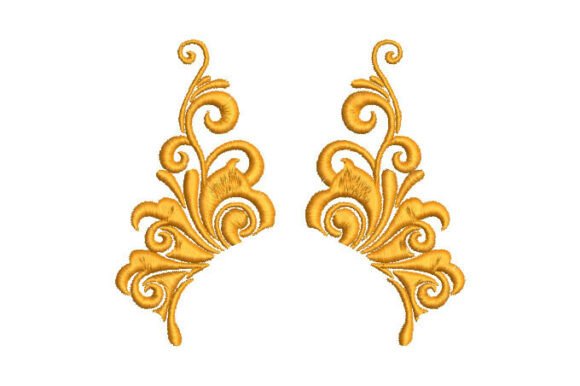
The moment I loaded the digital embroidery file, the first thing that struck me was the timeless quality of the pattern. The term "Arabesque" suggests flowing, interlacing foliage and geometric patterns, and this design delivers on that promise with a sense of refined elegance. It does not scream "trendy" in a way that will feel dated next season; instead, it offers a classic aesthetic that appeals to a broad demographic. For a House category item, this is gold. Customers browsing for home goods often seek items that feel premium and curated, and this design bridges the gap between traditional craftsmanship and modern decor.
The description notes that these machine embroidery designs were professionally digitized, which is crucial. Poor digitizing can ruin even the most beautiful artwork, leading to thread breaks and puckering. In my initial review, the flow of the stitches appears smooth, suggesting that the digitizer understood how thread behaves on fabric. This is a promising sign for anyone looking to produce high-quality finished product items without constant troubleshooting.
Product Potential: Where This Design Shines
When preparing my booth display, I always ask: "Where does this design live best?" For Ornamental Arabesque Embroidery Designs, the answer is versatility. Here is how I see it performing across different handmade product lines:
- Tote Bag Design: This is perhaps the strongest contender. A large-scale arabesque pattern centered on a canvas tote creates an instant statement piece. It transforms a simple bag into a boutique accessory. The intricate details hold up well on sturdy cotton or linen, making it a perfect tote bag design for market shoppers.
- Apron Embroidery: For the culinary enthusiast, an apron featuring this ornamental work feels luxurious. Placing the design on the bib or as a border along the waistband adds a touch of sophistication to kitchen wear. It appeals to buyers looking for giftable, high-end apron embroidery options.
- Tea Towel Embroidery: While beautiful, caution is needed here. Tea towels have a loose weave. If the stitch density is too high, the towel may pucker. However, if used as a corner accent or a hem detail, it adds significant value to a set of linens. Tea towel embroidery sells well when paired with matching items.
- Embroidered Patch: If the design scales down well, it could work as an iron-on or sew-on patch. This allows customers to customize their own jackets or bags, expanding your reach to younger demographics who love DIY customization.
Practical Production and Selling Points
From a business perspective, the Ornamental Arabesque Embroidery Designs offer several advantages for the small shop owner. First, the visual complexity of the pattern makes it highly photogenic. In an online world, your printable mockup and listing photos must stop the scroll. The contrast between the thread and the fabric in an arabesque pattern creates natural shadows and highlights, giving depth to your product images. This helps increase perceived value, allowing you to price your small shop product competitively.
Furthermore, the design feels repeatable. For commercial embroidery success, you need designs that can be batch-produced efficiently. If the digitizing is clean, you can run multiple hoops simultaneously with minimal supervision. This efficiency is key for fulfilling orders during peak seasons or restocking your Etsy store.
Careful-Use Notes for Crafters
While the design is beautiful, practical application requires attention to detail. Here are my professional warnings for those integrating this into their workflow:
- Fabric Texture: The description states it works with "any type of fabric," but I advise testing. Heavy textures like thick terry cloth may obscure the finer details of the arabesque curves. Smooth cottons, linens, and denim will showcase the thread colors and stitch definition best.
- Stitch Density: Arabesque patterns can become dense where lines intersect. Always check the density settings in your software. On lightweight fabrics, use a cut-away stabilizer to prevent distortion. On stretchy fabrics, ensure the stabilizer is robust enough to support the weight of the embroidery.
- Curved Surfaces: If applying this to caps, be mindful of the curvature. Large, flat designs do not wrap well around the front panel of a hat. Consider scaling it down or placing it on the side panel for better visibility and structural integrity.
- Dark Fabric: If stitching on dark fabrics, ensure your thread colors have enough contrast. Metallic threads can look stunning with arabesque patterns on black or navy, adding a festive or premium touch, but they require slower stitching speeds to prevent breakage.
Enhancing Brand Consistency and Buyer Engagement
Using Ornamental Arabesque Embroidery Designs can strengthen your brand identity if you position yourself as a seller of elegant, timeless goods. Consistency in style helps customers recognize your booth or online store. When a customer sees a cohesive collection of pillows, bags, and aprons all featuring similar ornamental motifs, it signals professionalism and artistic intent. This coherence drives buyer engagement and encourages larger purchases, as customers often buy into a "look" rather than just a single item.
For Etsy seller accounts, using this design in your design assets library allows you to create varied listings from a single purchase. You can offer different colorways, demonstrating the flexibility of the embroidery file. This variety keeps your shop fresh and gives returning customers a reason to browse again.
Designer’s Checklist Before Production
Before you commit to stitching fifty units for your next fair, follow these steps to ensure success with Ornamental Arabesque Embroidery Designs:
- Test on Scrap Fabric: Never skip the test stitch. Use the exact fabric and stabilizer combination you plan to sell.
- Check Thread Contrast: View your test stitch from five feet away. Does the design pop? If it blends in too much, adjust your thread palette.
- Confirm Hoop Size: Ensure the design fits your standard hoop sizes to maximize efficiency. If it requires a rare hoop size, consider resizing or cropping.
- Inspect Stitch Density: Look for areas where threads bunch up. Trim jump stitches carefully to maintain a clean finish.
- Create a Real Mockup: Photograph the stitched sample in natural light. Use this image for your printable mockup previews and social media teasers.
- Verify Licensing: Although the description implies professional digitization, always confirm the commercial license terms. Ensure you are allowed to sell finished products made with this digital embroidery file.
In conclusion, Ornamental Arabesque Embroidery Designs represents a strong addition to any Embroidery focused business. Its blend of classic beauty and practical applicability makes it a reliable choice for creating standout craft fair product displays. By paying attention to fabric choice, stabilizer support, and presentation, you can turn this digital asset into a best-selling physical reality. Whether you are updating your Etsy listings or prepping for a holiday market, this design offers the elegance and quality that modern handmade buyers crave.