Review: Golden Lucky Horseshoe Embroidery Design
As a designer who has spent years digitizing patterns and testing them on everything from stiff denim to delicate baby knits, I approach every new machine embroidery design with a mix of curiosity and skepticism. We have all been there: you download a file that looks stunning in the preview, only to find it puckers the fabric or loses its charm once the needle hits the cloth. Recently, I took a close look at the Golden Lucky Horseshoe Embroidery Design, and I want to share my practical thoughts on how it performs in real-world scenarios.
First Impressions and Visual Appeal
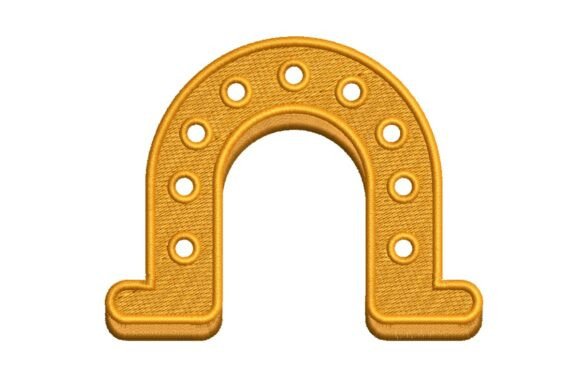
The first thing that strikes me about this design is its simplicity paired with symbolic weight. The horseshoe is a universal icon of good fortune, but rendering it in a textured golden-yellow gives it a warmth that feels inviting rather than generic. The subtle darker outlines are crucial here; without them, the shape might get lost on lighter fabrics. From a design perspective, this contrast ensures the motif remains distinct, which is vital for maintaining visual clarity in smaller hoop sizes.
The mood is cheerful and optimistic. It does not scream for attention, which makes it versatile. It feels like a design that belongs on items meant to bring comfort or joy. Whether you are creating a personalized gift for a friend starting a new job or adding a touch of whimsy to your own home decor, the aesthetic fits naturally. It avoids the cluttered look that plagues many digital files, focusing instead on clean lines and a cohesive color palette.
Real-World Application: The Tote Bag Test
To truly evaluate an embroidery file, you have to imagine it on a finished product. I visualized this horseshoe on a natural canvas tote bag design. Canvas is a forgiving medium, but it requires careful attention to stitch density. If the fill is too dense, the bag becomes stiff; if it is too light, the fabric shows through. Based on the description of the "textured" golden-yellow, I suspect this design uses a combination of fill stitch patterns to create depth without excessive bulk.
For an Etsy seller or small shop owner, this is a significant advantage. A tote bag with this motif sells itself as a "lucky charm" accessory. It appeals to customers looking for everyday items with a bit of personality. I also see strong potential for sweatshirt embroidery. Placed on the left chest of a heather grey crewneck, the golden hue pops beautifully against the muted background. It transforms a basic garment into a custom apparel piece that feels boutique-made rather than mass-produced.
Seasonal Versatility Beyond St Patrick S Day
While this design is categorized under St Patrick S Day, limiting it to March would be a mistake for any serious craft business. Yes, the horseshoe is a staple of Irish luck symbolism, making it perfect for holiday promotions. However, the concept of "good luck" is evergreen. Think about graduation gifts, new home presents, or even bridal shower favors. By marketing it as a general symbol of fortune, you extend its sales window throughout the year. This flexibility is key for maximizing the ROI of your design assets.
Technical Considerations for Stitching
Before you load this onto your machine, there are technical factors to consider. The description mentions "subtle darker outlines." In embroidery, outlines are often created with satin stitch or a heavy running stitch. You need to ensure your thread tension is balanced. If the tension is too loose, those outlines might gap; too tight, and they could pull the fabric. I always recommend running a test on scrap fabric that matches your final project material.
Fabric texture plays a huge role here. On smooth cotton or polyester blends, the textured gold fill should lay flat and shine. However, on textured fabrics like terry cloth or wool, the details might get lost. For these materials, consider using a cut-away stabilizer to provide a firm foundation. If you are working with stretchy fabrics for baby embroidery projects, such as onesies, a lightweight tear-away stabilizer might not be enough. You want the design to move with the fabric without distorting the horseshoe shape.
Another critical point is color contrast. The golden-yellow is beautiful, but on white or cream fabric, it might lack definition. In such cases, consider adding a subtle underlay or choosing a slightly darker shade of gold for the outline to ensure the design stands out. Always check your thread colors against your fabric swatches before committing to the final piece.
Commercial Use and Brand Consistency
For those selling finished product items, consistency is brand currency. The Golden Lucky Horseshoe Embroidery Design offers a clean, professional look that enhances perceived value. Customers associate crisp, well-executed embroidery with quality. A sloppy stitch-out can damage your reputation, so taking the time to optimize the file for your specific machine is non-negotiable.
If you are creating an embroidered patch, this design is ideal. Patches require higher density to prevent fraying and maintain shape when cut. The compact nature of the horseshoe makes it suitable for small hoops, allowing you to produce multiple patches efficiently. These can be sold as standalone accessories or used to embellish jackets and bags, adding another revenue stream to your small shop product lineup.
Practical Designer Notes
Here is my checklist for anyone planning to use this design in their next embroidery project:
- Test on Scrap Fabric: Never skip this step. Check for puckering and thread breaks.
- Check Stitch Density: Ensure the fill is not too heavy for lightweight fabrics like chiffon or thin cotton.
- Verify Hoop Size: Confirm the design fits comfortably within your hoop, leaving room for stabilization.
- Contrast Check: View the design in black and white on your screen to ensure the outlines are visible against various backgrounds.
- Licensing Confirmation: Always verify the license terms. Can you sell the physical item? Can you include the digital embroidery file in a bundle? Know your rights before you sell.
- Stabilizer Selection: Match the stabilizer to the fabric weight. Heavier fabrics may need less support, while knits require more.
Final Verdict
The Golden Lucky Horseshoe Embroidery Design is a solid addition to any designer’s library. It balances aesthetic appeal with practical usability. It is not overly complex, which reduces the risk of stitching errors, yet it has enough character to stand out in a crowded market. For commercial embroidery professionals and hobbyists alike, it offers a reliable option for creating meaningful, high-quality items. Whether you are making a holiday embroidery special or a year-round bestseller, this design holds up under scrutiny. Just remember to respect the technical requirements of your machine and materials, and you will likely find this horseshoe bringing good luck to your business too.