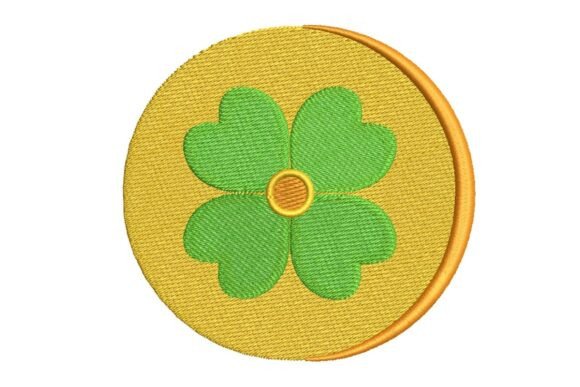
Review: Lucky Four-Leaf Clover in Circle Embroidery Design
As a designer who spends more time staring at stitch simulations than I do sleeping, I have developed a healthy skepticism for "cute" holiday motifs. Too often, seasonal designs rely on cliché execution—blocky fills, jagged edges, and color combinations that scream amateur hour. However, when I pulled up the Lucky Four-Leaf Clover in Circle Embroidery Design for a recent client project, my initial reaction was one of genuine surprise. This is not just another clip-art conversion; it is a thoughtfully constructed piece that balances symbolic charm with technical viability.
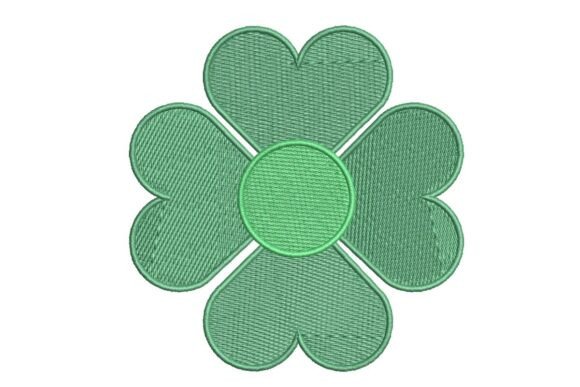
The design features a stylized four-leaf clover, a classic symbol of good luck, set within a vibrant circular frame. What immediately caught my eye was the rendering of the clover itself. It utilizes a textured green approach rather than a flat, solid fill. In the world of machine embroidery, texture is everything. It adds depth, hides minor tension inconsistencies, and gives the finished product a premium, tactile feel that customers subconsciously associate with higher value.
First Impressions and Visual Personality
The mood this design creates is whimsical yet polished. The circular frame acts as a perfect containment vessel, giving the motif a badge-like quality. This is crucial for versatility. A standalone clover can sometimes look lost on a large garment, but the circle provides a defined boundary that works equally well as a small chest logo or a larger back print. The visual personality is friendly and inviting, making it an ideal candidate for products aimed at families, children, or anyone looking to add a touch of springtime optimism to their wardrobe.
From a layout perspective, the balance between the negative space inside the circle and the density of the clover leaves is well-managed. There are no awkward gaps that would require excessive underlay stitching to cover, nor are there areas so dense that they risk puckering lightweight fabrics. For an embroidery designer, this kind of foresight in digitizing saves hours of troubleshooting during the hooping and stitching phases.
Real-World Application: The Tote Bag Test
To truly evaluate a design, you must imagine it on actual fabric. I recently used this design for a custom order of canvas tote bags intended for a local boutique’s St Patrick S Day collection. Canvas is a forgiving medium, but it demands clean stitch definition. The Lucky Four-Leaf Clover in Circle Embroidery Design performed exceptionally well here. The textured fill of the clover stood out beautifully against the natural weave of the cotton canvas, while the circular frame provided a crisp edge that framed the design without looking rigid.
Beyond tote bags, I can see this design thriving on sweatshirt embroidery projects. The softness of fleece pairs nicely with the textured stitch work, creating a cozy, high-end look. It would also make a charming addition to baby embroidery items, such as bibs or onesies, provided the stitch count is appropriate for the smaller hoop size typically used for infant garments. For Etsy sellers and small shop owners, this versatility is a major selling point. You are not limited to one product type; you can offer this as a patch, a shirt design, or a home decor accent.
Technical Considerations and Fabric Compatibility
While the design is robust, it is not without its technical nuances. As with any embroidery file, context is key. If you are planning to use this on stretchy fabrics like jersey knits for t-shirts, proper stabilization is non-negotiable. The circular frame, while visually appealing, can act as a tension ring if not stabilized correctly, potentially causing the fabric to pucker around the edges. I always recommend using a cut-away stabilizer for garments that will be washed frequently, ensuring the design maintains its shape over time.
Another consideration is the stitch density. The textured green fill suggests a moderate to high density. On thin fabrics like silk or lightweight rayon, this could lead to perforation or visible pull. In such cases, I advise testing the design on scrap fabric first. If you notice the fabric gathering, consider using a water-soluble topping to keep the stitches floating above the fabric texture rather than sinking into it. This is particularly important for towel embroidery or plush items where the pile can obscure fine details.
For those interested in creating an embroidered patch, this design is nearly perfect. The circular border lends itself naturally to a merrowed or satin-stitched edge. However, ensure that your machine’s cap frame can accommodate the hoop size required for the full design. If you are working with curved surfaces like caps, the rigidity of the circular frame might require additional attention during hooping to prevent distortion. Always check the specific dimensions of the embroidery file against your available hoop sizes before committing to a production run.
Commercial Viability and Brand Consistency
For craft business owners and digital product sellers, the commercial appeal of this design lies in its professionalism. It does not look like a freebie found on a questionable forum. The clean lines and thoughtful color separation suggest a level of craftsmanship that builds customer trust. When a buyer sees a well-executed design, they are more likely to perceive the entire handmade product as high-quality. This perception directly impacts pricing power and buyer engagement.
The design also offers excellent potential for printable mockups and digital previews. Because the shape is contained and iconic, it photographs well from various angles. Whether you are listing it as a standalone digital embroidery file or showcasing a finished product on your online store, the visual clarity ensures that the design reads well even in thumbnail images. This is a critical factor for Etsy sellers who compete in a visually saturated marketplace.
Practical Designer Notes
Before you load this design into your machine for a client order or personal project, keep these practical tips in mind:
- Test on Scrap Fabric: Always run a test stitch-out on the same type of fabric you intend to use for the final product. This allows you to check thread color contrast and stitch density without risking expensive material.
- Check Thread Colors: The default green may need adjustment depending on your brand palette. Test different shades of green to see which offers the best visibility against your chosen background fabric.
- Review Stitch Density: If you are using a lower-end machine, ensure it can handle the density of the textured fill. High-density designs can cause thread breaks if the machine tension is not perfectly calibrated.
- Confirm Hoop Size: Verify that the design fits comfortably within your hoop, leaving enough margin for the frame to grip the fabric securely without touching the stitched area.
- Inspect Small Details: Zoom in on the digitizing software to check for any unnecessary jump stitches or trims that could be optimized for faster production.
- Licensing Verification: If you plan to sell finished items or include this in a digital product bundle, confirm the licensing terms. Ensure you have the right to use the design for commercial embroidery projects.
In conclusion, the Lucky Four-Leaf Clover in Circle Embroidery Design is a standout asset for any designer’s library. It bridges the gap between festive holiday embroidery and year-round decorative appeal. With its balanced composition, textured detailing, and versatile application, it offers a reliable solution for both novice hobbyists and seasoned professionals. By paying attention to fabric choice, stabilization, and thread selection, you can elevate this design from a simple motif to a centerpiece of your next successful handmade product line.