Review: Foaming Green Beer Mug Embroidery Design
As a designer who has spent countless hours digitizing and testing machine embroidery designs, I have learned that not every festive graphic translates well to thread. Some look great on a screen but turn into a tangled mess of puckered fabric once the needle hits the hoop. That is why I approach every new Foaming Green Beer Mug Embroidery Design with a critical eye, looking past the marketing mockups to see how it will actually perform in a real-world embroidery project.
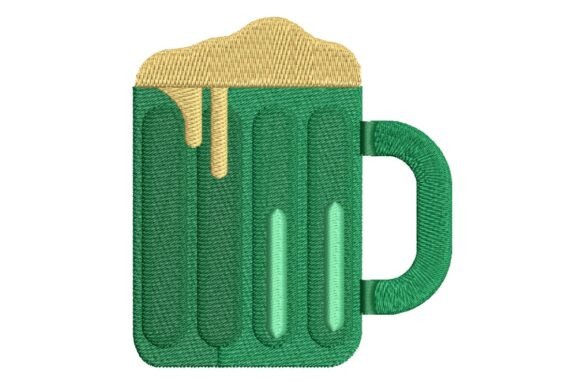
This particular design caught my attention because of its bold, celebratory nature. It features a stylized beer mug, overflowing with frothy foam, which immediately signals its purpose: St. Patrick’s Day celebrations. The mug itself is rendered in a vibrant, textured green, suggesting a lively and fun aesthetic. But does this visual appeal hold up under the mechanical constraints of an embroidery machine? Let’s break down how this design functions for crafters, Etsy sellers, and apparel decorators.
First Impressions and Visual Personality
The first thing I noticed about this Foaming Green Beer Mug Embroidery Design is its strong silhouette. In embroidery, shape is everything. If the outline is weak, the design gets lost, especially from a distance. This mug has a distinct, recognizable form that reads clearly even at smaller sizes. The "foaming" aspect adds a layer of organic texture that contrasts nicely with the structured lines of the mug.
The mood is undeniably festive. It is not subtle, nor does it try to be. It is designed to shout "celebration," making it an ideal candidate for holiday-specific merchandise. For a small shop owner or an Etsy seller, this kind of immediate visual communication is valuable. Customers scrolling through listings need to understand the product instantly. A clear, thematic design like this reduces cognitive load and increases the likelihood of a click.
Real-World Application: The Tote Bag Test
To truly evaluate a design, you have to imagine it on a product. I recently considered using a similar concept for a custom tote bag design intended for a local pub’s St. Patrick’s Day promo. Here is how I envision this specific design performing in that context.
Tote bags are typically made from canvas or heavy cotton, which provides a stable base for embroidery. The vibrant green of the mug would pop against a natural beige or white canvas. However, the "frothy foam" detail requires careful attention. If the design relies heavily on satin stitch for the foam, it might create a raised, luxurious texture that feels premium to the touch. If it uses fill stitch, it will lie flatter and cover more area, which is better for durability if the bag will be washed frequently.
For a personalized gift or a boutique product, I would recommend placing this design on the lower corner of the tote rather than centering it. This creates a more modern, understated look that appeals to buyers who want festive gear without looking like a walking billboard. It also allows room for adding a name or date below the mug, turning a generic holiday item into a keepsake.
Fabric Considerations and Stitch Density
One of the most critical aspects of reviewing any digital embroidery file is understanding how it interacts with different fabrics. The description mentions a "textured green" mug. In digitizing terms, this usually implies a combination of stitch angles or densities to create visual interest.
If you are stitching this on a sweatshirt embroidery project, the pile of the fleece can swallow small details. You must check the stitch density of the foam areas. If the stitches are too sparse, the green fabric of the sweatshirt might show through the white foam, ruining the contrast. Conversely, if the density is too high on a thin fabric like a t-shirt, you risk perforation and puckering. Always use a proper stabilizer. For knits, a cut-away stabilizer is non-negotiable to maintain the shape of the mug after washing.
For baby embroidery items, such as onesies or bibs, caution is advised. The back of the embroidery must be soft. If this design uses complex layering or heavy applique design techniques, ensure that the backing materials are trimmed and covered with a soft fusible interfacing. Scratchy threads or stiff stabilizers are a dealbreaker for parents.
Challenges with Caps and Curved Surfaces
Embroidering on curved surfaces like caps presents unique challenges. The Foaming Green Beer Mug Embroidery Design has vertical elements—the sides of the mug. On a curved cap panel, vertical lines can distort if the hoop tension is not perfect. I recommend testing this design on a scrap piece of the same cap material before committing to production.
Additionally, the "overflowing foam" likely extends beyond the main body of the mug. On a cap, you have limited vertical space. Ensure that the top of the foam does not hit the seam of the cap or the edge of the hoop. If the design is too tall, it may need to be resized, which could compromise the clarity of the smaller details. Always confirm the maximum hoop size compatibility with your specific machine before purchasing the embroidery file.
Commercial Viability and Brand Consistency
For commercial embroidery professionals, consistency is key. If you are producing a run of fifty aprons for a brewery event, every mug needs to look identical. This requires a well-digitized file with clean pathing. Poorly digitized designs often have unnecessary jumps or trims, which increase production time and the risk of thread breaks.
When selling this as a small shop product, consider how it fits your brand. If your brand is rustic and handmade, this playful design works well on kitchen towels or linen napkins. If your brand is more modern and minimalist, you might use this design as a small chest patch on a jacket rather than a large back print. The versatility of the Foaming Green Beer Mug Embroidery Design allows it to cross over into various niches, from barware to casual apparel.
Practical Designer Notes for Best Results
Before you start stitching, here are my top recommendations for getting the best result from this design:
- Test on Scrap Fabric: Never stitch a new design directly on your final garment. Use a similar fabric scrap to check tension and registration.
- Check Thread Colors: The "vibrant green" mentioned in the description needs to contrast well with the foam. Use a bright white for the foam and a deep kelly or emerald green for the mug to maximize visual impact.
- Review Stitch Types: Identify if the design uses running stitch for outlines or satin stitch for fills. Adjust your machine tension accordingly. Satin stitches often require slightly tighter tension to prevent looping.
- Mockup in Black and White: Convert your digital preview to grayscale. If the design loses its definition in black and white, it lacks sufficient contrast and may look muddy when stitched.
- Verify Licensing: If you plan to sell finished items, confirm the license terms of the design assets. Some creators allow commercial use for physical products but restrict the resale of the digital file itself.
- Consider Fabric Texture: On textured fabrics like waffle knit or terry cloth, the fine details of the foam might get lost. In such cases, consider using an applique design approach where a piece of white fabric is stitched down to represent the foam, ensuring crisp edges.
Final Verdict
The Foaming Green Beer Mug Embroidery Design is a strong contender for seasonal collections. Its bold shapes and festive theme make it highly marketable for holiday embroidery projects. However, its success depends entirely on execution. By paying attention to fabric choice, stabilizer selection, and stitch density, you can transform this digital file into a high-quality handmade product that customers will love.
Whether you are creating a custom embroidered patch for a friend or stocking your online store with themed custom apparel, this design offers a solid foundation. Just remember to test, adjust, and stitch with care. The difference between a good embroidery project and a great one is often in the details that only an experienced eye will catch.