Review: Layered Heart Embroidery Design
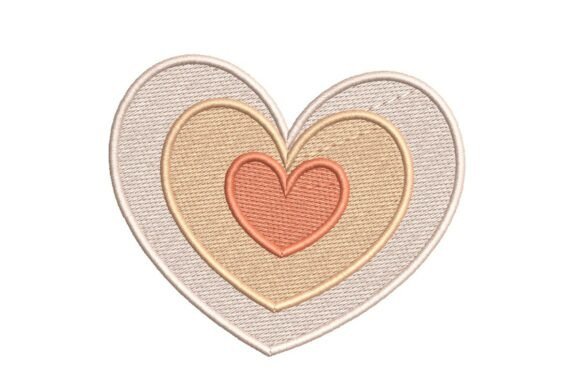
As a designer who has spent countless hours digitizing patterns and testing them on various machines, I approach every new machine embroidery design with a mix of curiosity and skepticism. We have all seen the flood of generic heart motifs that saturate the market, especially as Valentine S Day approaches. However, the Layered Heart Embroidery Design caught my eye not because it is loud, but because it is subtle. It features a stylized heart with nested inner hearts, creating a sense of depth that is often missing in flat, single-layer digital files. In this review, I will break down how this design performs in real-world applications, from custom apparel to boutique home decor, and offer practical advice for makers looking to elevate their craft business.
First Impressions: Mood and Visual Personality
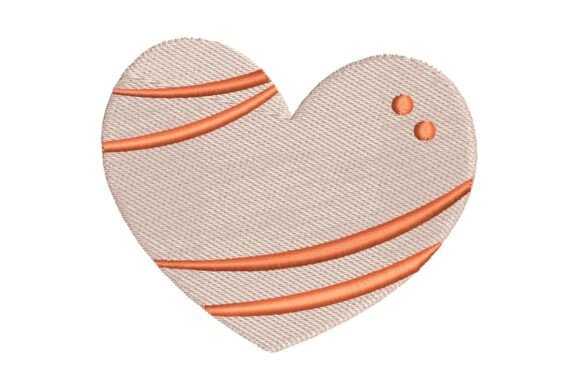
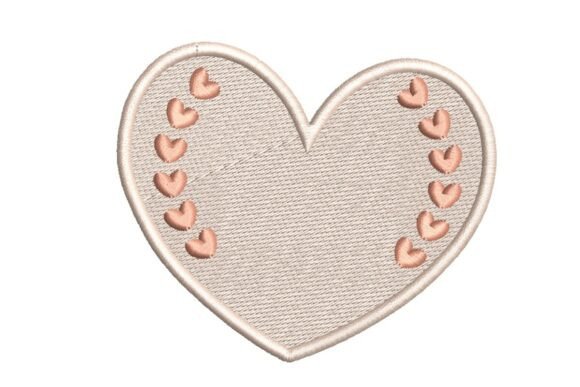
The first thing you notice about the Layered Heart Embroidery Design is its textured aesthetic. The outermost heart is rendered in a light beige or off-white, which immediately suggests a rustic, organic feel rather than a glossy, synthetic look. This choice of color palette is crucial. In an era where minimalism and neutral tones dominate interior design and fashion, a design that relies on texture rather than neon brightness feels sophisticated. The nested hearts symbolize deep affection and intimacy, making it emotionally resonant without being overly sentimental or cliché. For an embroidery project, this visual personality means the design can transcend seasonal trends. While it is perfect for holiday embroidery, its understated elegance allows it to function as a year-round brand element for small shop products.
Real-World Application: The Tote Bag Test
To truly evaluate a design, you must imagine it stitched out. I recently considered this pattern for a custom tote bag order for a local boutique. The client wanted something that felt handmade and warm, avoiding the stiff look of typical commercial embroidery. The Layered Heart Embroidery Design was an ideal candidate here. When applied to a heavy canvas tote, the textured fill stitch of the outer heart interacts beautifully with the fabric weave. The nested inner hearts provide a focal point that draws the eye inward, adding complexity without increasing the overall footprint of the design. This is critical for tote bag design, where you want impact without overwhelming the utility of the bag. The result was a finished product that looked high-end and thoughtful, significantly boosting the perceived value of the handmade product.
Versatility Across Product Lines
Beyond tote bags, this design shows remarkable versatility. For sweatshirt embroidery, the layered effect adds a tactile dimension that customers love to touch. On a soft fleece or cotton blend, the design sits well without puckering, provided the correct stabilizer is used. I also see strong potential for baby embroidery. The soft, nested shapes are gentle and appealing for nursery decor, such as pillow covers or blankets. Because the design avoids sharp, aggressive lines, it feels safe and comforting. For Etsy sellers and creative entrepreneurs, this versatility means one digital embroidery file can serve multiple revenue streams. You can use it for personalized gifts, wedding favors, or even as part of a cohesive collection for a craft fair.
Technical Considerations and Stitching Performance
While the aesthetic appeal is high, a professional designer must look at the technical execution. The Layered Heart Embroidery Design relies heavily on the interplay between different stitch types. The outer texture likely utilizes a combination of fill stitch and running stitch to create that embossed look. This requires careful attention to stitch density. If the density is too high, the fabric may pucker, especially on thinner materials like t-shirts or silk. If it is too low, the textured effect will be lost, and the design will look sparse.
When working with this design, I recommend testing it on scrap fabric first. Check how the thread colors contrast against your chosen background. Since the outer heart is light beige, it will pop beautifully on denim, navy, or forest green fabrics, but it may disappear on cream or white materials. Always test your design in black and white mockups to ensure the shape remains distinct regardless of color choices. Additionally, confirm the hoop size required. Nested designs often need a slightly larger hoop to accommodate the outer layers without hitting the hoop edges, which can cause needle breaks or misalignment.
Fabric and Surface Challenges
Not every surface is suitable for this specific design. Curved surfaces like caps require careful placement. The layered nature of the heart means that if the cap fabric stretches unevenly, the inner hearts might shift relative to the outer one, distorting the symmetry. For stretchy fabrics, using a cut-away stabilizer is non-negotiable to maintain the integrity of the nested shapes. Similarly, avoid using this design on very thin, slippery fabrics unless you have experience with hooping techniques that prevent shifting. The detailed corners of the nested hearts need precise stitching; if your machine is not calibrated correctly, these areas can become messy clumps of thread.
Business Value and Brand Consistency
For small business owners and apparel decorators, the choice of design assets directly impacts brand consistency. The Layered Heart Embroidery Design exudes professionalism. It does not look like a free clip-art conversion; it looks like a purpose-built embroidery file. Using such high-quality designs builds customer trust. When a buyer sees clean stitch lines and thoughtful composition, they perceive the item as a premium personalized gift rather than a mass-produced commodity. This perception allows you to price your items higher, reflecting the skill and quality involved. Furthermore, because the design is symbolic of intimacy, it enhances the giftability of your products. Whether for an anniversary, a birthday, or a self-care treat, the emotional connection drives buyer engagement.
Practical Designer Notes for Best Results
Before you purchase or download this digital embroidery file, there are several steps you should take to ensure success in your embroidery project:
- Check Licensing Terms: Always confirm whether the license allows for commercial use. If you plan to sell finished items or use the design in printable mockups for your shop, you must have the right permissions.
- Verify File Formats: Ensure the design is available in the format compatible with your embroidery machine. Common formats include PES, DST, and JEF. Do not assume compatibility; check the product details.
- Test Stitch Density: Run a test stitch-out on a similar fabric to your final product. Adjust tension if necessary to prevent looping or bird nesting.
- Contrast is Key: Choose thread colors that provide enough contrast between the nested layers. If the layers are too similar in shade, the depth effect will be lost.
- Stabilizer Selection: Match your stabilizer to your fabric. Use tear-away for stable woven fabrics and cut-away for knits and stretchy materials.
In conclusion, the Layered Heart Embroidery Design is a standout choice for designers who value subtlety and texture. It moves beyond the basic heart motif to offer a nuanced, layered look that enhances the visual appeal of any item it adorns. Whether you are creating a custom apron, a cozy pillow cover, or a line of Valentine S Day gifts, this design offers the professional finish that today’s consumers expect. By paying attention to fabric choice, stabilizer use, and thread contrast, you can transform this digital asset into a stunning physical product that resonates with your audience. For any maker looking to add depth and emotion to their work, this design is a worthy addition to their library of design assets.